 R2v3 Certified
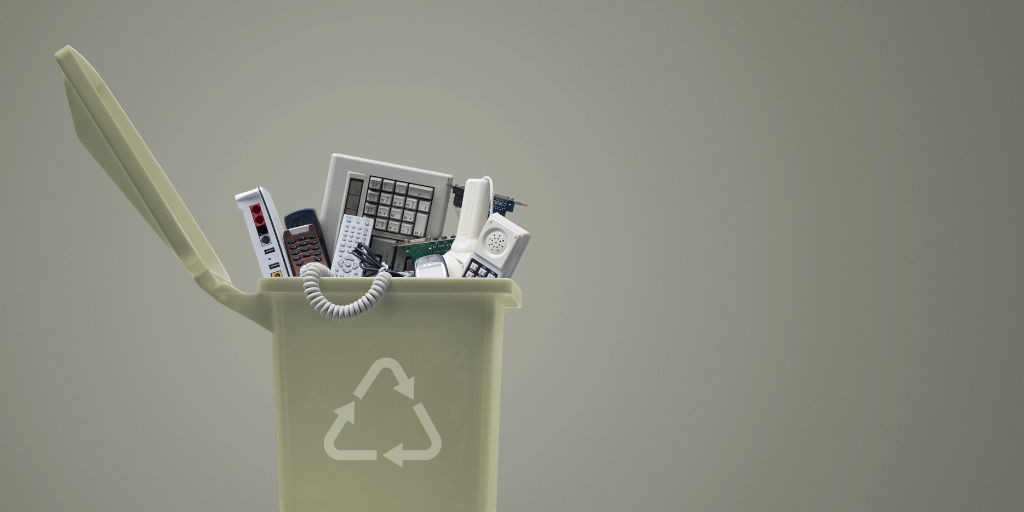
The explosive growth of electronics in the world of today is making electronic waste a greater problem. What happens to your outdated laptop, smartphone, or TV when its usefulness is over? Have you ever wondered? Understanding the lifetime of e-waste is essential to relishing the ecological and social impacts of our disposed electronics. Let’s talk about what happens to your electronics after they’re disposed?
Gathering and Delivery
Correct disposal is the first step in the e-waste journey. Electronics may be picked up by specialized waste management services, placed at recycling facilities, or collected during e-waste drives. Regretfully, not all electronic waste finds its way to the proper locations. Numerous devices are still inappropriately thrown in the ordinary trash and wind up in landfills.
Electronics are gathered and sent to facilities that are prepared to manage the complex materials found in these gadgets via e-waste recycling in Dubai and e-waste programs. This important first step guarantees that your outdated electronics have a chance to be safely disassembled or repurposed.
Classifying and Organizing
Electronic garbage is sorted once it arrives at the recycling facility. Devices are divided into many types, such as IT equipment, big appliances, and tiny gadgets. Condition is another way that items are arranged. In order to prolong their life cycle, functional gadgets may be donated to charitable organizations or reconditioned for future sale.
Non-functional products are evaluated based on the structure of their materials. Recyclable products like glass, metal, and plastics must be kept apart from potentially dangerous parts like batteries, which need to be handled carefully.
Deconstruction and Recovery of Components
Devices are either disassembled manually or automatically after sorting. Expert personnel or equipment disassemble electronics into their component parts. This step is essential for the mining of features from rare earths like cobalt and special metals like copper, aluminum, silver, and gold.
Circuit boards for computers and cell phones, for instance, are composed of beneficial metals, but copper is widely used in cables and wires. By decreasing the requirement for raw fabrics mining, these minerals can be extracted, saving energy and natural resources.
Regulating Toxic Substances
Unsafe materials like lead, mercury, cadmium, and brominated flame retardants are frequently found in electronics. There are profound health and environmental hazards associated with the inappropriate disposal of these materials. In order to securely balance and dispose of these dangerous materials, e-waste facilities employ certain strategies.
For example, batteries undergo rigorous processing to stop harmful compounds from leaking into the environment. This ensures that the dangerous elements in your outdated electronics won’t contaminate the air, water, or soil.
Recycling and Reusing Materials
After the recovery of valuable materials and the removal of hazardous compounds, the leftover materials, including metals and polymers, are recycled. Following that, manufacturers purchase these recycled materials to use as raw materials for new goods. This procedure aids in closing the loop and promotes a circular economy in which resources are not wasted but rather repurposed.
Remodeling and Reselling
Certain devices gathered from the lifecycle of e-waste are still usable or readily repairable. These gadgets are examined, reconditioned, and frequently donated to underserved populations or resold for less. Programs for electronic renovation not only increase their lifespan but also increase underprivileged communities’ access to technology.
Exporting
Regretfully, not all electronic garbage is properly recycled. A sizable amount of the world’s e-waste is shipped to underdeveloped nations, frequently masquerading as “donated” or “reusable.” These nations lack the laws and infrastructure necessary to properly address e-waste. The outcome? Unofficial recycling programs can seriously pollute the environment and expose employees to hazardous chemicals.
The export of e-waste is still a significant issue in the worldwide lifespan of electronics, despite efforts to regulate these practices and establish stronger enforcement.
E-Waste’s Effects on Sustainability and Society
Reusing and recycling e-waste can decrease the negative environmental effects that discarded devices effect. Recovering helpful materials lowers the requirement for mining and resource presentation, which lowers carbon dioxide emissions and conserves energy.
However, inappropriate handling of e-waste can have disastrous results. Electronics that are not disposed of appropriately can release toxic compounds into the soil and water, threatening both human health and ecosystems.
Concluding Remarks
The comprehensive e-waste lifecycle highlights the effectiveness of recycling, disposing of, and consuming responsibly. Knowing what occurs to your gadgets once they are thrown away will help you make better decisions to reduce waste and help create a more tolerable future. We should all do our share to control the gadgets we use today from threatening the ecosystem in the future.