The Growing Problem of E-Waste in the UAE and How We’re Tackling It

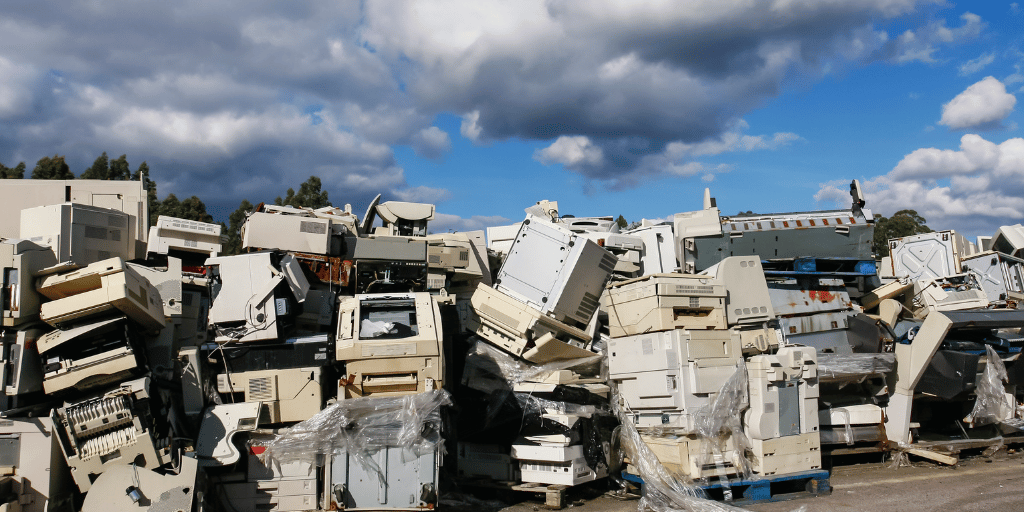
The UAE is well-known for its rapidly developing digital economy, impressive technical advancements, and futuristic cities. However, this progress comes with a significant challenge: the rise of electronic waste. As demand for new electronics continues to soar, more and more devices are being discarded, contributing to a growing e-waste problem. This surge in discarded electronics calls for innovative solutions, and an electronic waste management company plays a crucial role in addressing this environmental concern. Let’s explore the scope of the e-waste issue in the United Arab Emirates and some creative solutions that can help mitigate its impact.

Describe E-waste and Explain its Significance

Also commonly referred to as e-waste, discarded items such as household appliances, electronic televisions and laptops, handheld computer devices, or cellular phones, bring harm to health and ecosystems at large due to the removal of undesirable materials from within the environment or surrounds, including toxic materials like cadmium, mercury, and lead.

E-waste is a critical concern because electronic devices are not very interesting in the United Arab Emirates. One of the primary reasons for the thousands of tons of e-waste affected every year in the country is the frequent substitute of equipment driven by demand and technological progress.

How the UAE Is Addressing the Issue of E-Waste

The UAE’s authorities and commercial sectors are working to address the escalating e-waste problem, which is good news. Here are a few of the main projects and tactics:

  • Classifying the Recycling of E-Waste in Smart Cities: Due to the United Arab Emirates’ development of smart cities like Dubai and Abu Dhabi, managing e-waste is a major concern. The goal of smart town initiatives is to integrate responsible garbage disposal methods, such as e-waste recycling and resource recovery.
  • Governmental Rules and Policies: The government of the United Arab Emirates has given the region stricter guidelines for handling e-waste. The Ministry of Climate Change and Environment (MOCCAE) has helped bring policies to promote safe recycling practices and reduce the harmful effects of digital devices. Making producers and importers accountable for the lifecycle of the product is the goal of those policies.
  • Initiatives for responsible commercial enterprise: To address the problem of e-waste, the UAE’s remote zone is taking action. Companies such as Apple and Samsung have implemented exchange-in programs that enable customers to return their old devices and receive discounts on brand-new ones. By guiding a circular economy, those tasks also help limit the number of devices that end up in landfills.
  • Creation of Recycling Facilities: The UAE acquired state-of-the-art recycling facilities so that you could effectively handle e-waste. Recycle Emirate and other companies with expertise in collecting and recycling digital systems ensure that hazardous materials are disposed of safely and that valuable components are recovered.
  • Initiatives for Public Awareness: The key to resolving the e-waste problem is growing recognition. Campaigns which include “Recycle IT” inform locals of the importance of appropriately putting off e-waste and inspire them to carry their outdated electronics to authorized series locations. Communities, organizations, and colleges are getting an increasing number of involved in those projects.

The Spectrum of the Issue in the United Arab Emirates

Recent data indicates that the United Arab Emirates ranks among the Middle East’s top producers of e-waste per capita. Numerous variables contribute to this: 

  • Brief Device Lifespan: Due to their short lifespans, many electronics need to be replaced frequently.
  • High Use of Technology: The UAE has a steady demand for the newest gadgets due to its rising number of tech-savvy citizens.
  • Insufficient Awareness: Many locals are ignorant of the dangers incorrect e-waste disposal poses to the environment.

Risky compounds can leak into the soil and water in landfills, where e-waste frequently ends up. The loss of precious materials that may be recycled from these devices, such as copper, silver, and gold, exacerbates the environmental damage.

How You Can Contribute

Addressing e-waste requires not only corporate and governmental initiatives but also individual action. The following actions are possible:

  • Boost the Electronics’ Lifespan: Instead of replacing devices, fix them and give away those you no longer need.
  • Conscientiously Recycle: Return outdated electronics to approved recycling facilities rather than disposing of them in the garbage.
  • Help Others Learn: Raise your friends and family’s knowledge of the value of properly disposing of electronic waste.
  • Select eco-friendly brands: Encourage businesses to offer recycling or trade-in initiatives and to put sustainability first.

A Healthy Future Events

The UAE’s e-waste problem is undoubtedly challenging, but it also presents an opportunity to reevaluate our interactions with technology. The UAE may establish the benchmark for moral e-waste recycling in Dubai and elsewhere by putting sustainable practices into practice, promoting innovation, and working together. Future generations can live in a cleaner, greener world if we all work together to buck the e-waste trend.
What Happens to Your Electronics After They’re Disposed? Understanding the E-Waste Lifecycle

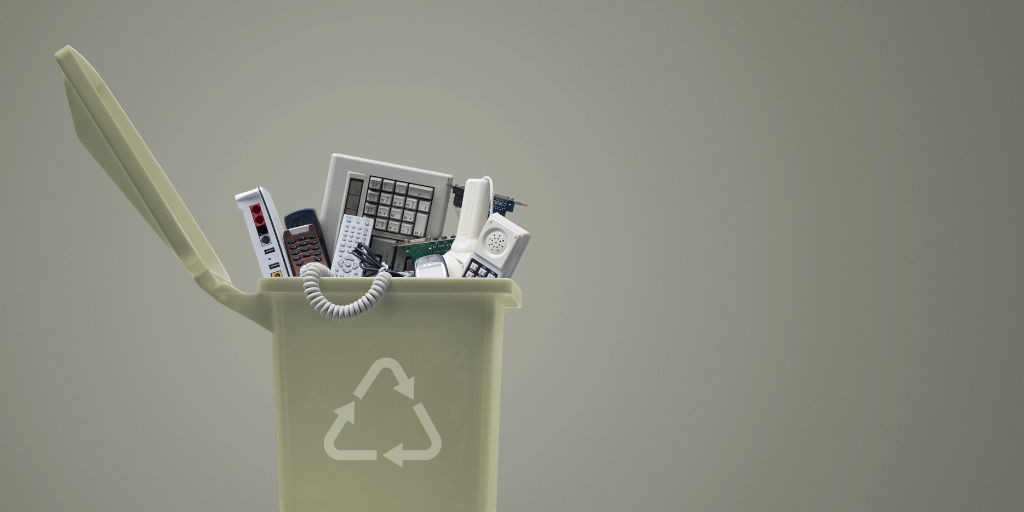
The explosive growth of electronics in the world of today is making electronic waste a greater problem. What happens to your outdated laptop, smartphone, or TV when its usefulness is over? Have you ever wondered? Understanding the lifetime of e-waste is essential to relishing the ecological and social impacts of our disposed electronics. Let’s talk about what happens to your electronics after they’re disposed?

Gathering and Delivery

Correct disposal is the first step in the e-waste journey. Electronics may be picked up by specialized waste management services, placed at recycling facilities, or collected during e-waste drives. Regretfully, not all electronic waste finds its way to the proper locations. Numerous devices are still inappropriately thrown in the ordinary trash and wind up in landfills.

Electronics are gathered and sent to facilities that are prepared to manage the complex materials found in these gadgets via e-waste recycling in Dubai and e-waste programs. This important first step guarantees that your outdated electronics have a chance to be safely disassembled or repurposed.

Classifying and Organizing

Electronic garbage is sorted once it arrives at the recycling facility. Devices are divided into many types, such as IT equipment, big appliances, and tiny gadgets. Condition is another way that items are arranged. In order to prolong their life cycle, functional gadgets may be donated to charitable organizations or reconditioned for future sale.

Non-functional products are evaluated based on the structure of their materials. Recyclable products like glass, metal, and plastics must be kept apart from potentially dangerous parts like batteries, which need to be handled carefully.

Deconstruction and Recovery of Components

Devices are either disassembled manually or automatically after sorting. Expert personnel or equipment disassemble electronics into their component parts. This step is essential for the mining of features from rare earths like cobalt and special metals like copper, aluminum, silver, and gold.

Circuit boards for computers and cell phones, for instance, are composed of beneficial metals, but copper is widely used in cables and wires. By decreasing the requirement for raw fabrics mining, these minerals can be extracted, saving energy and natural resources.

Regulating Toxic Substances

Unsafe materials like lead, mercury, cadmium, and brominated flame retardants are frequently found in electronics. There are profound health and environmental hazards associated with the inappropriate disposal of these materials. In order to securely balance and dispose of these dangerous materials, e-waste facilities employ certain strategies.

For example, batteries undergo rigorous processing to stop harmful compounds from leaking into the environment. This ensures that the dangerous elements in your outdated electronics won’t contaminate the air, water, or soil.

Recycling and Reusing Materials

After the recovery of valuable materials and the removal of hazardous compounds, the leftover materials, including metals and polymers, are recycled. Following that, manufacturers purchase these recycled materials to use as raw materials for new goods. This procedure aids in closing the loop and promotes a circular economy in which resources are not wasted but rather repurposed. 

Remodeling and Reselling

Certain devices gathered from the lifecycle of e-waste are still usable or readily repairable. These gadgets are examined, reconditioned, and frequently donated to underserved populations or resold for less. Programs for electronic renovation not only increase their lifespan but also increase underprivileged communities’ access to technology.

Exporting

Regretfully, not all electronic garbage is properly recycled. A sizable amount of the world’s e-waste is shipped to underdeveloped nations, frequently masquerading as “donated” or “reusable.” These nations lack the laws and infrastructure necessary to properly address e-waste. The outcome? Unofficial recycling programs can seriously pollute the environment and expose employees to hazardous chemicals.

The export of e-waste is still a significant issue in the worldwide lifespan of electronics, despite efforts to regulate these practices and establish stronger enforcement.

E-Waste’s Effects on Sustainability and Society

Reusing and recycling e-waste can decrease the negative environmental effects that discarded devices effect. Recovering helpful materials lowers the requirement for mining and resource presentation, which lowers carbon dioxide emissions and conserves energy.

However, inappropriate handling of e-waste can have disastrous results. Electronics that are not disposed of appropriately can release toxic compounds into the soil and water, threatening both human health and ecosystems.

Concluding Remarks

The comprehensive e-waste lifecycle highlights the effectiveness of recycling, disposing of, and consuming responsibly. Knowing what occurs to your gadgets once they are thrown away will help you make better decisions to reduce waste and help create a more tolerable future. We should all do our share to control the gadgets we use today from threatening the ecosystem in the future.

How Recycling Companies Contribute to Economic Growth: Key Highlights

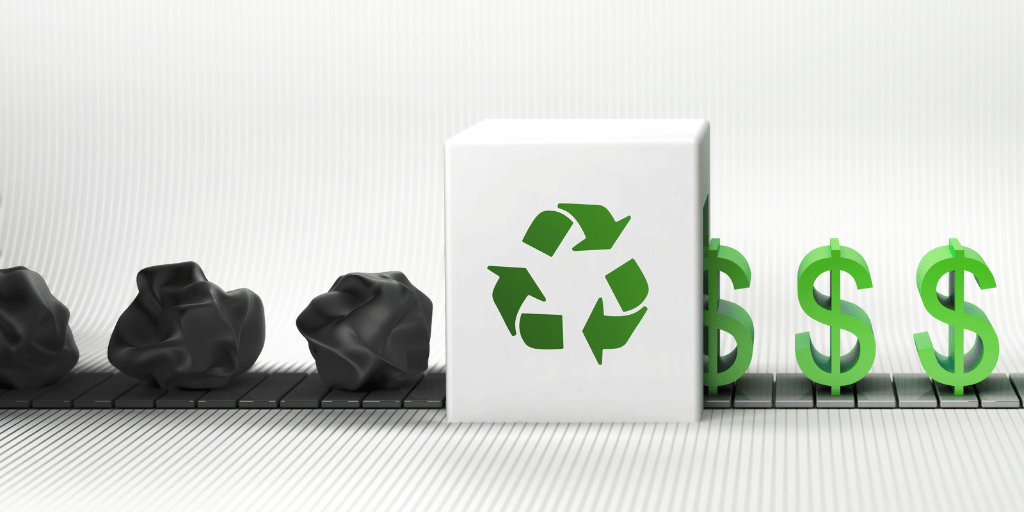
Recycling businesses have a significant impact on contemporary economies that goes well beyond protecting the environment. Through creativity, resource effectiveness, job creation, and equitable growth, these businesses boost the economy by turning trash into useful resources. Recycling benefits firms like Recycle Emirates in multiple ways, promoting both conservation efforts and financial gains.

Enhancing the Efficiency of Resources:

Recycling reduces the demand for basic supplies, which are often expensive and in short supply. Recycling firms reduce the requirement for virgin resources by reprocessing outcomes such as electronics, metals, and plastics. In addition to protecting natural resources, this lowers expenses for producers, who gain from more affordable raw fabrics.

Recycling electronic waste, for instance, lessens the need to mine rare earth metals, guaranteeing a consistent supply of minerals required by sectors like technology and the automotive enterprise. By lowering reliance on imported resources, effective resource use also improves a nation’s economic resilience.

Creating Jobs in the Recycling Sector:

The recycling business is a big employer since it generates jobs in manufacturing, sorting, processing, and collection. Each ton of scrap metal provides multiple jobs in sales, manufacturing, and transportation. In contrast to landfill operations, which are static and resource-intensive, recycling businesses need both skilled and unskilled labor and provide possibilities for people from a variety of demographic backgrounds.

Recycling companies in Dubai like as Recycle Emirates offer stable jobs, bolstering local economies and giving employees specialized training in managing electronic waste and other items. 

In favor of the Circular Economy:

A circular economy emphasizes product reuse, recycling, and reusing to create a closed-loop system that reduces waste and maximizes the efficiency of resources. Recycling companies are the basis of this system since they allow resources to be used continuously and lower the costs of disposing of waste.

Adopting a circular economy increases profitability, lowers environmental liabilities, and saves money for governments and corporations. The UAE’s emphasis on sustainability is consistent with this approach, and through its recycling programs, Recycle Emirates is instrumental in promoting a sustainable future.

Promoting Technological Innovation and Development:

By creating cutting-edge technology to enhance garbage sorting, processing, and material recovery, recycling companies are at the forefront of innovation. These developments boost the economy by creating new company prospects and stimulating investments in research & development.

Modern methods for managing e-waste, recovering valuable components, and minimizing negative environmental effects are being introduced in large part by businesses like Recycle Emirates. Such inventions frequently stimulate economic activity by opening up new markets for things like upcycled goods and refurbished technology.

Increasing Trade Possibilities:

Recycled materials are valued as commodities in international trade. Recycling businesses contribute to a kingdom’s economic growth and equilibrium by exporting processed goods like metals, plastics, and paper. The growing demand for sustainable practices also gives recycling-focused organizations a competitive edge in global marketplaces.

In the recycling sector, the UAE is a pioneer because of companies like Recycle Emirates’ expertise in managing and processing e-waste, which opens doors for international partnerships and exchange agreements.

Cutting Down on Environmental and Landfill Costs:

Landfills are not only terrible for the environment, but they are also expensive to manage. Recycling helps communities cut costs and free up areas for other useful uses by significantly reducing the amount of waste that is disposed of in landfills. In order to further direct the economic boom, these savings could be put toward infrastructure development, public offers, and other uses.

By effectively managing electronic waste, Recycle Emirates reduces the harmful environmental effects of hazardous materials, hence reducing long-term environmental harm and medical costs.

Supporting CSR (Corporate Social Responsibility):

Recycling firms offer sustainable trash management solutions that can help businesses and agencies meet their corporate social responsibility goals. This alignment helps attract eco-conscious customers and clients, which increases revenue in addition to improving logo awareness.

Companies in the United Arab Emirates can further demonstrate their commitment to sustainability by joining Recycle Emirates. This will encourage a boom in the economy by increasing investment and consumer trust.

Last Remarks:

Recycling businesses, such as Recycle Emirates, are essential to economic expansion because they foster innovation, the creation of jobs, and sustainable business practices. Businesses and governments may unlock enormous economic potential while protecting the environment by incorporating recycling into the core of their economic plans.

Due to the efforts of leading recycling enterprises and their commitment to sustainability, the UAE is known as a global leader in waste innovations. The recycling sector is set to grow rapidly as more corporations realize the financial and environmental advantages of recycling, helping to create a more sustainable and prosperous future.

Categories Blog

Recycling IT Assets: Understanding What’s Recyclable and Why It Matters

Digital devices are becoming outdated more quickly than ever before due to the current generation’s rapid growth pace. Agencies and individuals alike should deal with the issue of effectively deferring IT assets, whether they are outdated servers, laptops, or cellphones. In addition to being good for the environment, IT asset recovery services are essential for record compliance and safety. In this blog, we’ll discuss what IT material can be recycled, how much it expenditures, and how IT asset disposal businesses in Dubai accelerate and streamline the process.

What are IT assets, and what is the significance of recycling?

Computing devices, servers, displays, hard drives, networking equipment, and other electrical components are all considered IT assets. In addition to valuable resources like metals, polymers, and glass, these assets also include potentially hazardous compounds like lead, mercury, and cadmium.

Recycling IT resources assures:

  • Risky substances are handled safely: Ecosystems and human health can be harmed by improper disposal of harmful materials.
  • Among the beneficial resources recovered are: Copper, silver, and gold are among the metals that are removable and reusable.
  • Electronic garbage is kept out of landfills: When improperly managed, electronic trash takes up a lot of space and adds to pollution.

What Can Be Recycled from IT Assets?

IT items contain a lot of recyclable components that can be recycled or used again. Glass from screens and displays, plastic casings from computers and mobile devices, and metals like copper, aluminum, and gold from circuit boards and cables are essential recyclable parts. Additionally, batteries, hard drives, and other garage devices can be recycled to benefit from lithium and rare earth metals. These materials can be recycled to reduce waste, maintain botanical supplies, and build a sustainable, circular economy. Using proper disposal ensures that hazardous textile handling is done in a way that protects the ecosystem and human health.

The Value of IT Asset Recycling:

The benefits of recycling IT property extend beyond the environment; it is essential for data security, criminal compliance, and financial performance. By recovering precious commodities like metals, polymers, and rare earth elements through recycling old IT devices, the need for extracting raw fabric is reduced. This saves money on production and preserves resources. Conscientious recycling also ensures that critical information is destroyed safely, protecting organizations from any security breaches. Recycling IT property is an important procedure for both individuals and businesses because it promotes sustainability, the circular economy, and regulatory compliance in the face of growing global e-waste.

How Recycle Emirates Encourages the Recycling of IT Assets:

Recycle Emirates specializes in recycling IT assets for people, companies, and organizations in a safe and environmentally responsible manner. They are the UAE’s go-to partner for recycling IT assets for the following reasons: 

  • Safe Data Erasure: All IT assets go through secure data erasure or physical destruction before recycling, ensuring the security of your private data.
  • Approved Recycling Procedures: Recycle Emirates adheres to strict recycling guidelines to guarantee adherence to data security and environmental regulations.
  • Focused to Sustainability: Recycle Emirates places a high priority on environmentally friendly procedures, making sure that all recyclable parts are taken out and put to new use while non-recyclables are disposed of properly.
  • Effective Pickup and Transportation: Businesses and individuals might find the recycling procedure straightforward thanks to their team’s hassle-free asset-collecting services.

Final Remarks:

IT equipment disposal recycling in Dubai is a duty for both individuals and companies, not merely a decision. Working with professionals like Recycle Emirates and being aware of what is recyclable will help you secure your data, promote a sustainable future, and help create a cleaner world. Now is the time to start disposing of IT assets responsibly; get in touch with Recycle Emirates and join the effort to cut down on e-waste for a better future.


    We’ll email a redacted sample and a 1-page compliance cheat-sheet.


        We’ll respond within 1 business day. No-obligation quote.


          We’ll respond within 2 business hours. No obligation.


            Schedule Free Site Survey

              Project type

                Pickup Type

                  Sample Certificate of Data Destruction — Download

                  Download a sample certificate used in client audits. Contains chain-of-custody, destruction method, and timestamp.

                    Full Name*

                    Work Email*

                    Company Name*

                    Case Study 

                    [Industry] client recovered [AED X] and achieved [Y%] compliance improvement

                    Challenge: [short problem]. Solution: [your service]. Outcome: [metrics].

                    Sample Certificate

                    company name -

                    company name 

                    device serial -

                    device serial

                    destruction method -

                    destruction method

                    operator name

                    operator name

                    timestamp

                    timestamp

                    certificate ID

                    certificate ID